Holding crypto raises a practical question that sits beside seed phrases and device passwords: what happens if someone tries to reach the funds by pressure at the door rather than by breaking cryptography. A ChainCatcher report published on 11 November 2026 describes one such plot. It did not succeed.
The Scottish High Court sentenced 29-year-old Robert Barr to eight years in prison. He was accused of planning, while in custody, a cryptocurrency theft involving as much as £2 million (about $2.7 million). Sean Favier, 26, and Iain Doyle, 37, each admitted taking part in serious organized crime and were sentenced to four years and five years.
Judge Lord Cubie said the case joined 21st-century computer technology with old-fashioned burglary.
Court disclosures described the plan. Favier and Doyle were to enter a home in Midlothian, near Edinburgh, and force the resident to install the remote-control software AnyDesk. Barr, who was then serving a 21-month fraud sentence at HMP Edinburgh, would control the computer from prison and transfer cryptocurrency to a wallet he controlled.
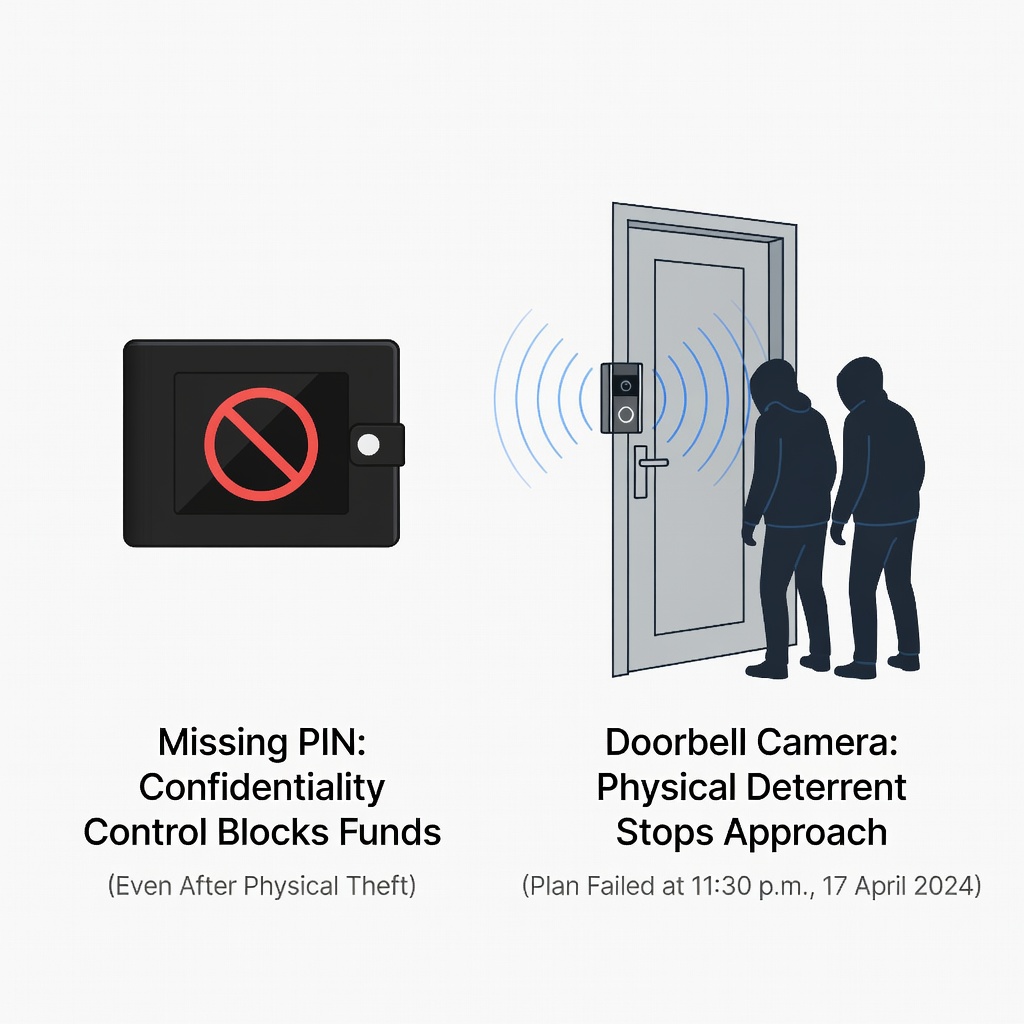
At about 11:30 p.m. on 17 April 2024, the two men arrived. The couple who lived there saw them on a doorbell camera and did not open the door, so the plan failed.
Investigators reconstructed months of preparation from a phone seized from Barr in June 2024. That material covered identifying the victim, collecting photographs of the house, and reconnaissance, and it referred to threats or violence. The victim is a co-founder of a crypto startup. Accomplices had entered in January 2024 and stolen a crypto wallet, but they could not take the funds because they lacked the PIN. Prosecutors called Barr a “sophisticated cyber criminal.”
As of that 11 November 2026 report, the judge was to consider a serious crime prevention order on 17 November. Barr was also detained in connection with possible extradition proceedings.
The same report cited Chainalysis in saying that amounts stolen in so-called “wrench attacks” exceeded $30 million in the first half of 2026. That figure is an aggregate from the cited report. It is separate from this plot, which the account describes as having failed, with no completed transfer reported.
The barriers named in the case were limited and specific. A missing PIN stopped funds from leaving after an earlier wallet theft, which is a confidentiality control that also blocks the holder. A doorbell camera kept the later visit outside. Remote-access software was the intended link between a forced entry and the ability to move coins. Those reported facts show a trade-off between easier access and the chance that access will be misused under pressure. They do not show that any custody setup removes risk.
Original report: ChainCatcher, 11 November 2026