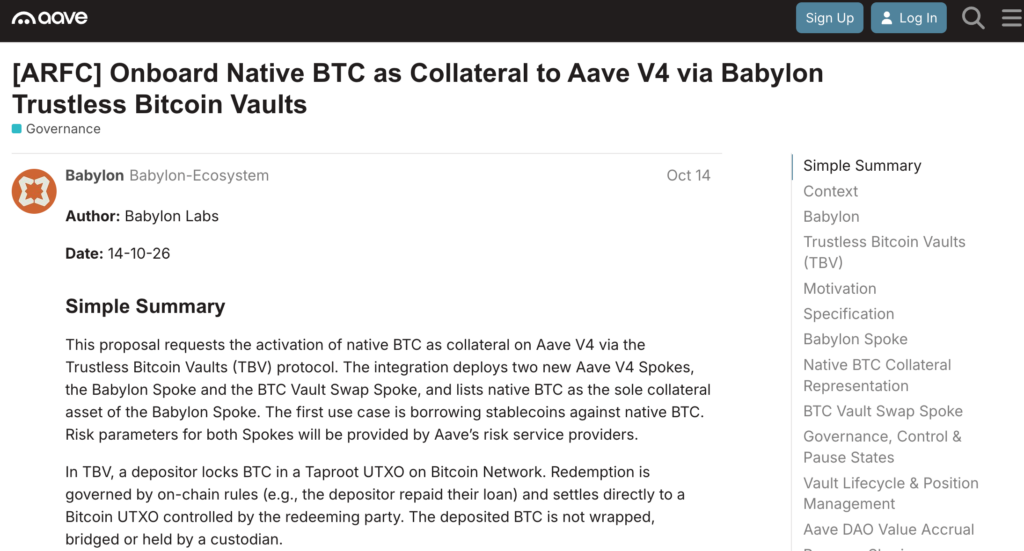
For a bitcoin holder considering borrowing, the custody question is whether the BTC must first be handed to a custodian or converted into a wrapped asset. A Babylon proposal for Aave V4 aims to avoid that step, but it was not live when TechFlow reported on November 10, 2026, at 20:53 (UTC+8).
According to Babylon’s November 9 announcement, Aave DAO approved the proposal’s ARFC-stage vote with 100% support. It still needed a final on-chain AIP vote. The stated mainnet target was the end of 2026, with participation and scale initially limited.
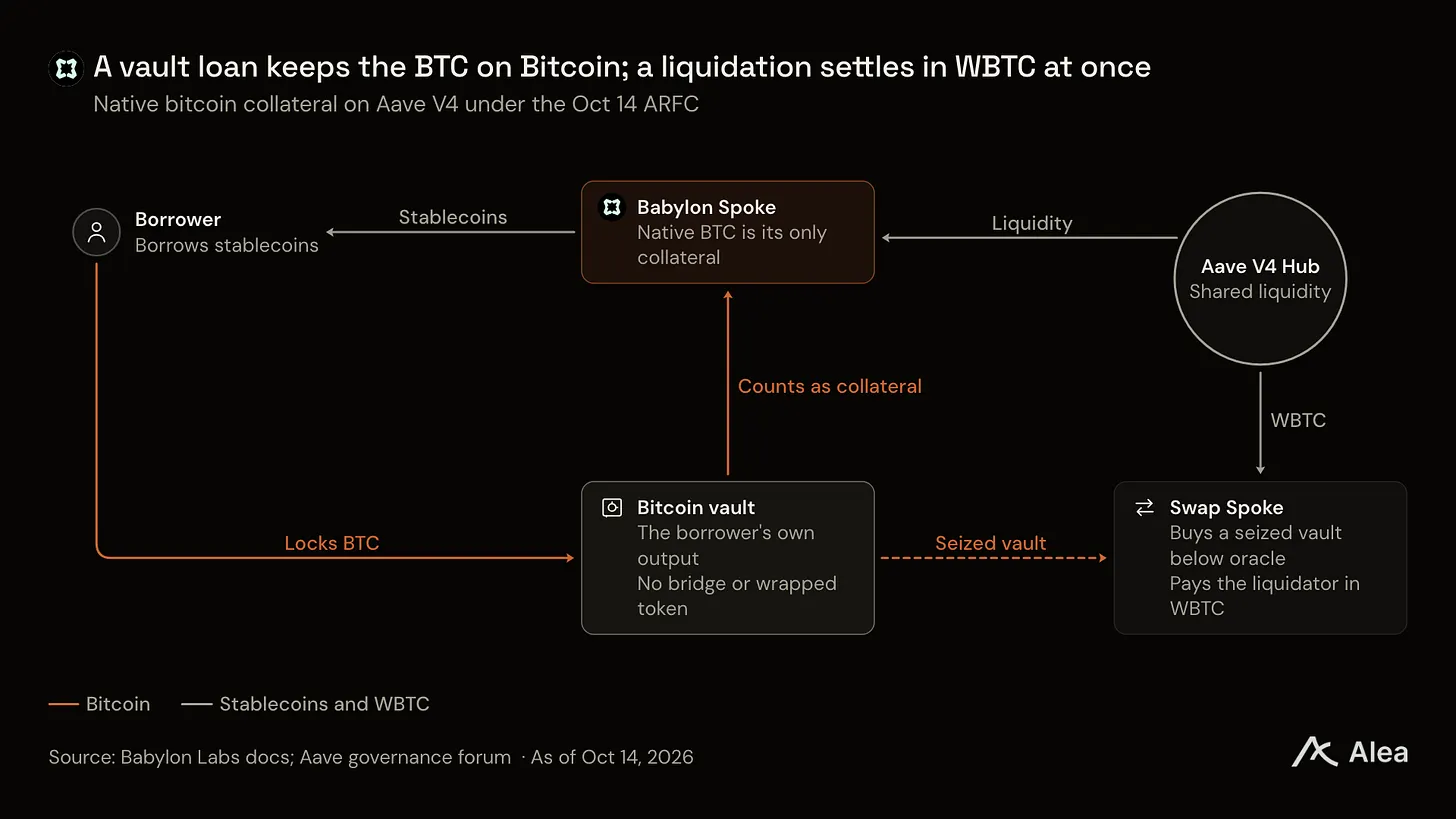
Under the proposal, a borrower would lock BTC in a Taproot vault on the Bitcoin network while retaining control of their private keys. A non-transferable accounting token on Ethereum would represent the locked amount as collateral in Aave V4. LlamaRisk proposed a 78% collateral factor and a maximum liquidation bonus of 5.55%. These are proposed parameters, not terms already available to borrowers.
The custody boundary does not cover the entire borrowing process. The proposed liquidation module would have liquidators buy seized vaults using WBTC, after which arbitrageurs could redeem the BTC on Bitcoin. Thus, the collateral arrangement is designed to avoid reliance on a BTC custodian, while liquidation would still depend on a custodial wrapped asset. The proposal also gives a three-of-five multisignature group including Aave Labs, LlamaRisk and Babylon emergency pause authority without a timelock. It could not transfer users’ BTC, but a pause would also block repayments and liquidations.
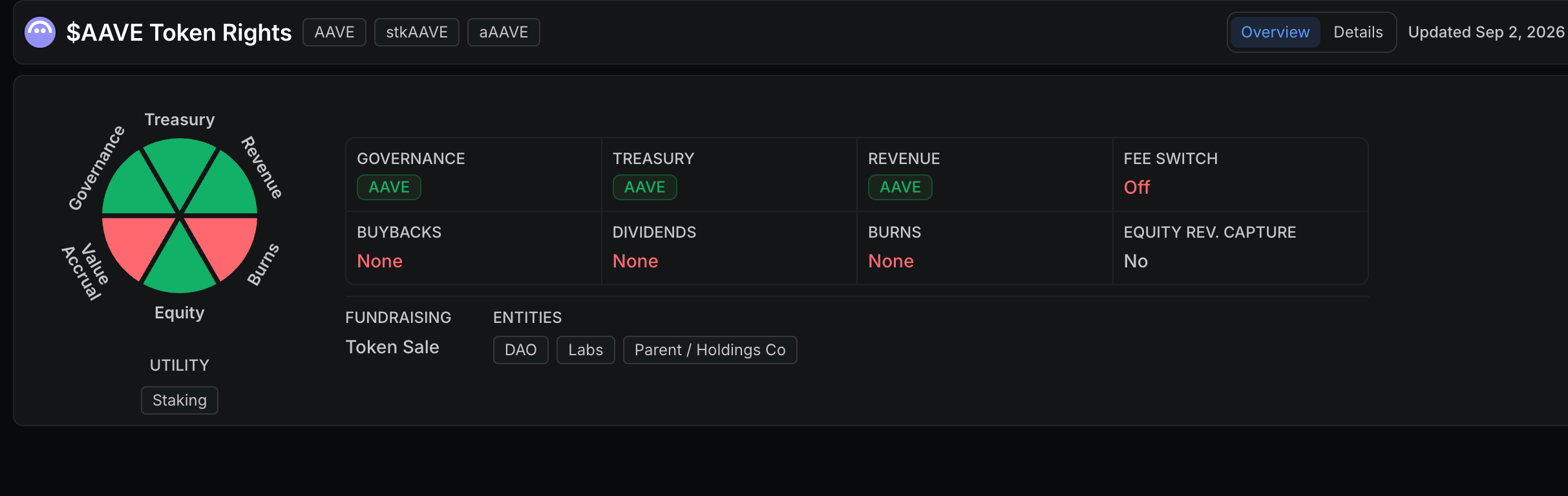
The proposed starting credit lines total approximately $21 million across USDT, USDC, USDG, RLUSD and GHO, with native BTC collateral capped at 300 BTC. Raising the limits would require Aave DAO approval. The revenue plan gives Aave DAO the first $500,000 annually from specified borrowing-related liquidity and liquidation fees; higher revenue bands split proceeds with Babylon and allocate 4%–7% to AAVE and BABY buybacks. Those figures describe a proposal, not realized revenue or buybacks.
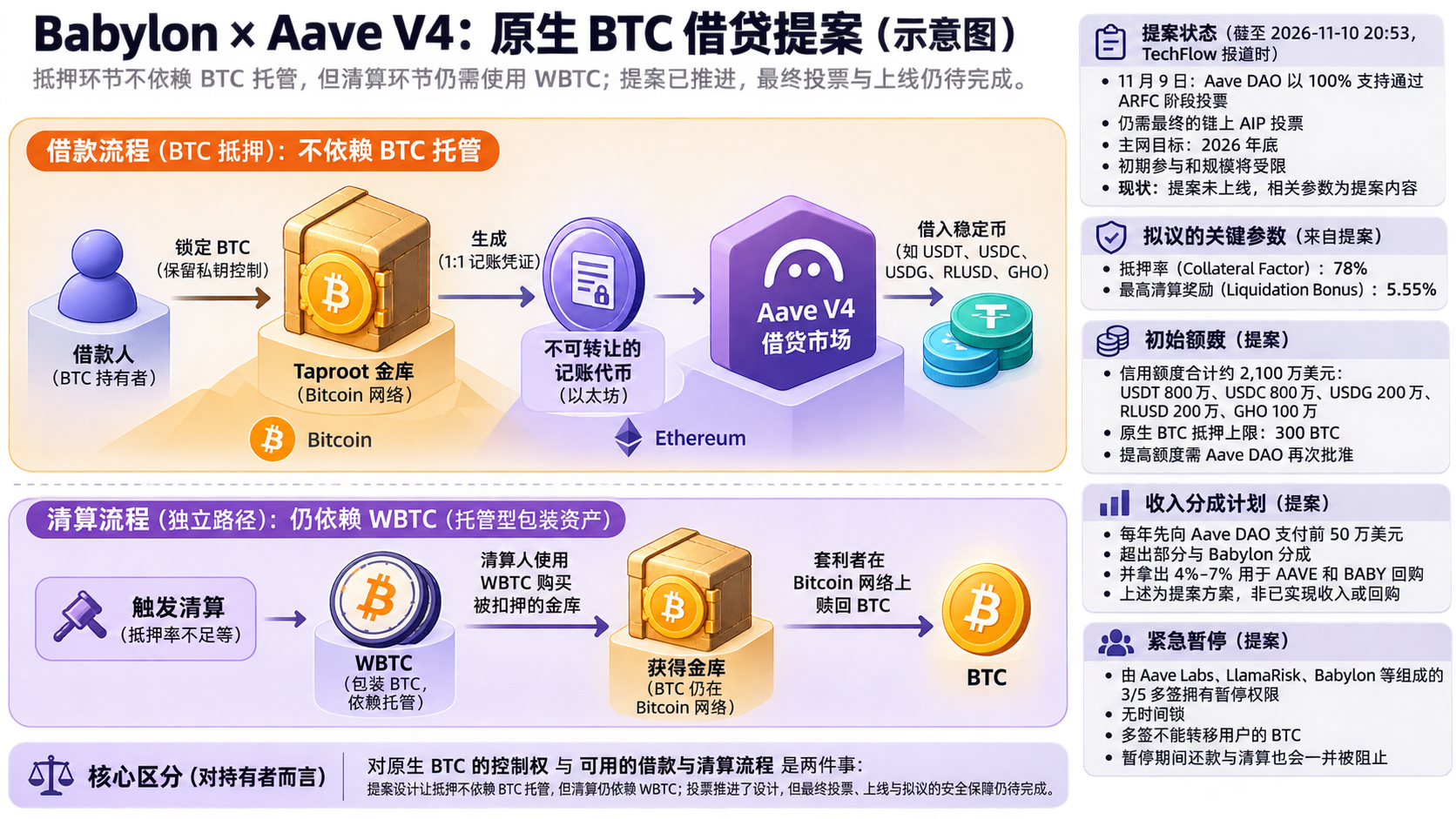
For holders, the practical distinction is between control of the locked BTC and access to a functioning loan and liquidation process. The vote advanced the design; the final vote, launch and proposed safeguards remained outstanding at the time of the report.
Source: techflowpost.com (originally published 2026-11-10 20:53 UTC+8)