A wallet’s recovery phrase is not protected by its backup plan if the phone holding it is compromised. In an analysis published October 19, 2026, SlowMist described an iOS attack operation whose code targets wallet data and whose management panel includes tools for handling stolen credentials. The findings concern the operation’s capabilities and observed activity; they do not establish a total amount of crypto lost.
From a web page to wallet data
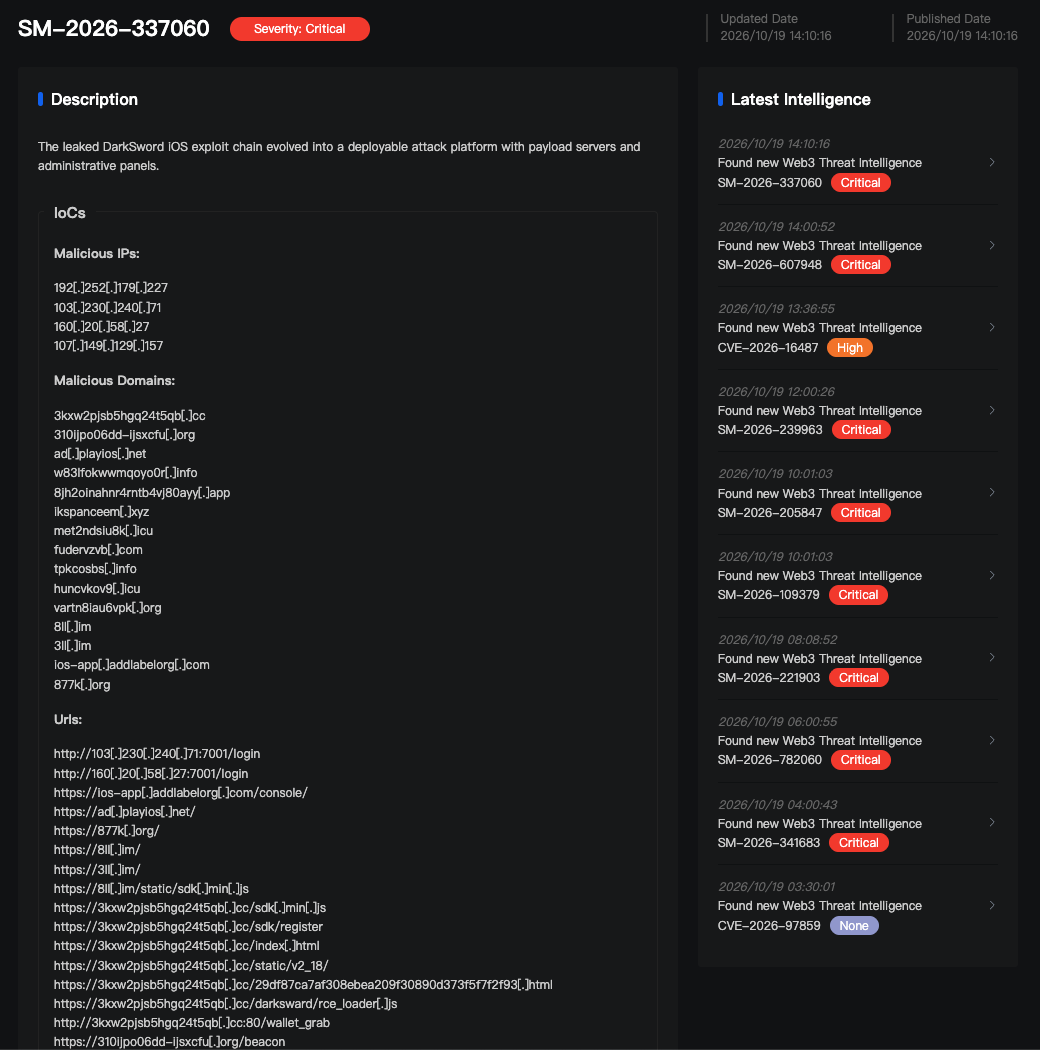
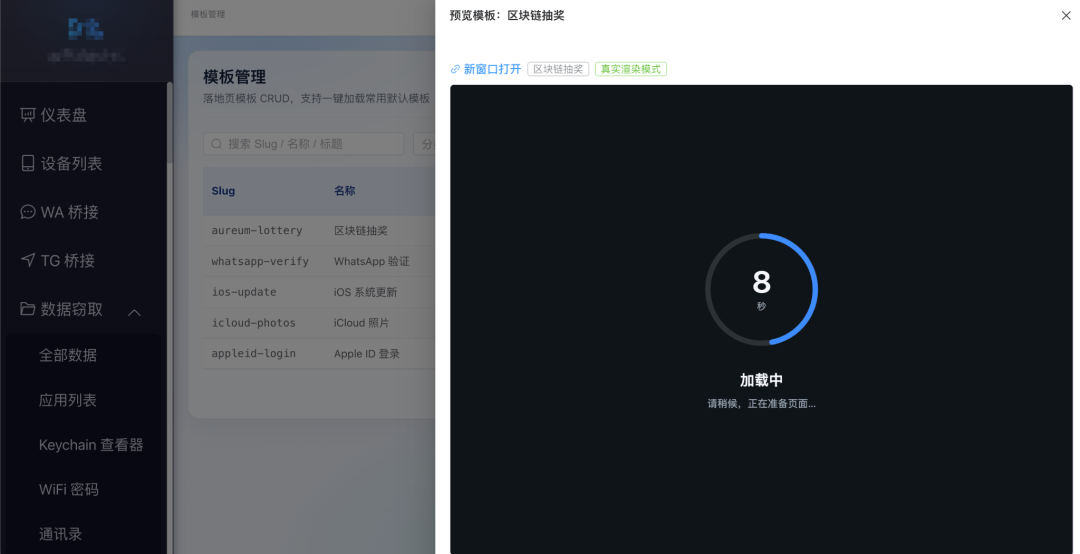
Google Threat Intelligence Group reported in March 2026 that the DarkSword exploit chain targeted iPhones running iOS 18.4 through 18.6.2 and could be triggered by opening a crafted page in Safari. SlowMist’s later examination found a broader delivery setup: themed landing pages and a script that registered visiting devices, then directed them toward different chains according to iOS version. One watch-recycling-themed page included the delivery code directly, so opening it required no further click to start that process.


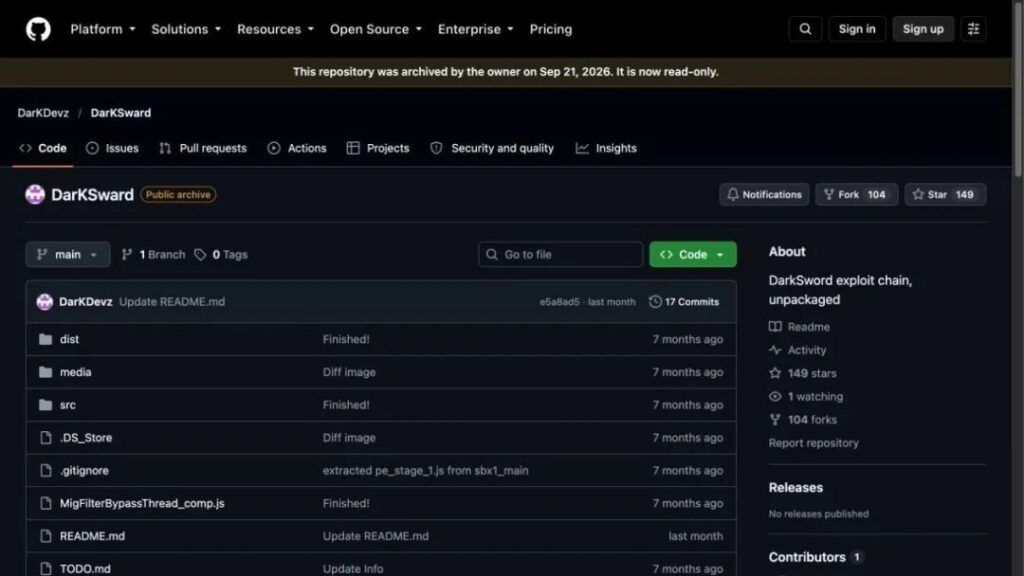
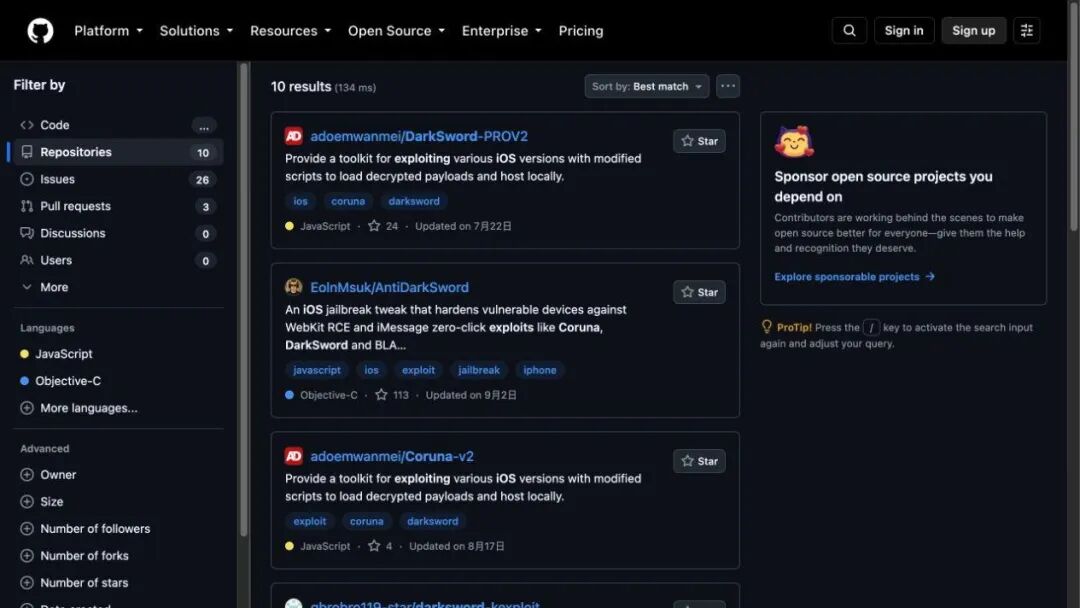
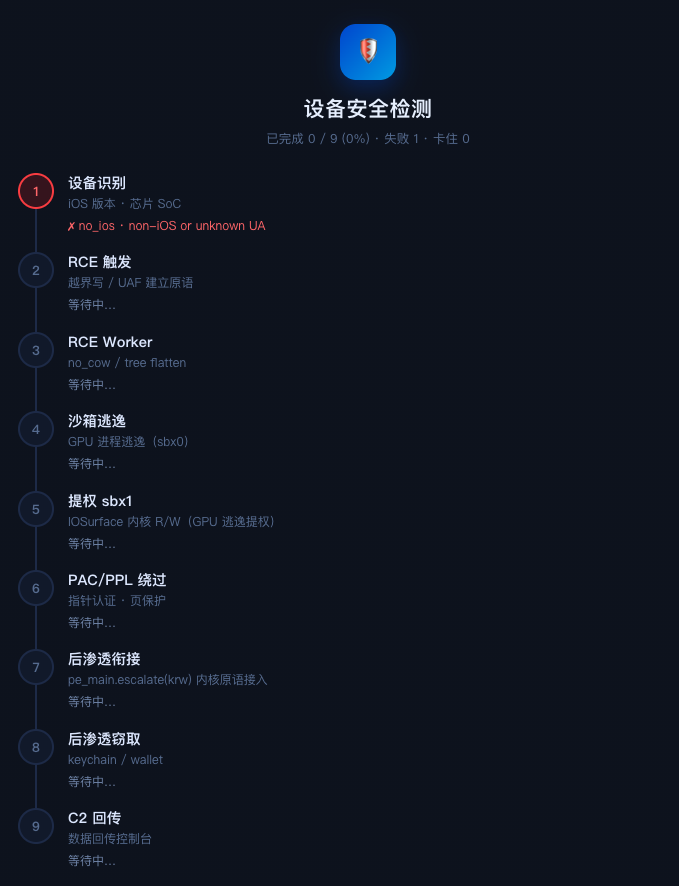
SlowMist linked the deployed 18-series chain and its administration software to publicly available GitHub code through matching files, code comments, application identifiers and backend details. It reported that the operator had added version-specific branches and wallet-focused processing to the upstream material. The examined code named imToken, TokenPocket and TronLink among its targets, alongside other wallets, and contained routines for reading wallet storage, keystore files, React Native storage and Keychain material. SlowMist also found panel functions for viewing recovery phrases and private keys, deriving addresses, checking balances and initiating collection of funds. Those functions show what the software was built to do, not how many wallets it successfully drained.
What the panel counts—and what it cannot prove
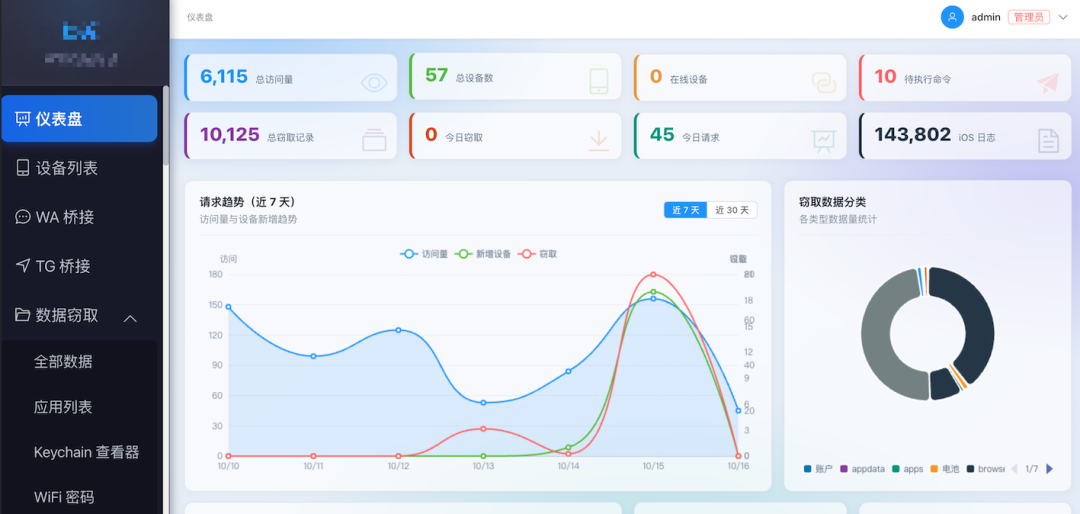
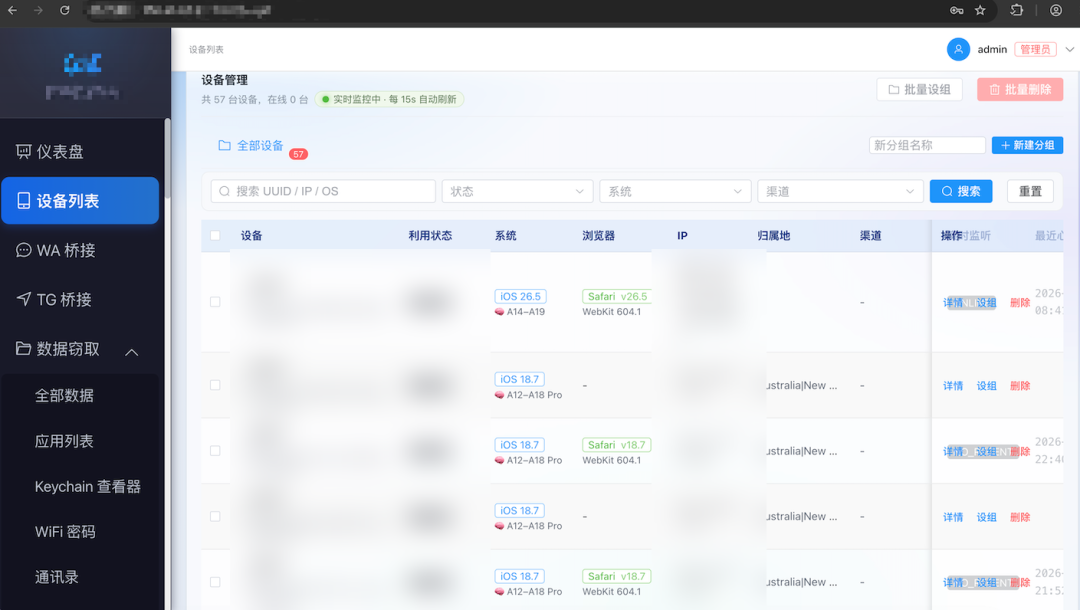
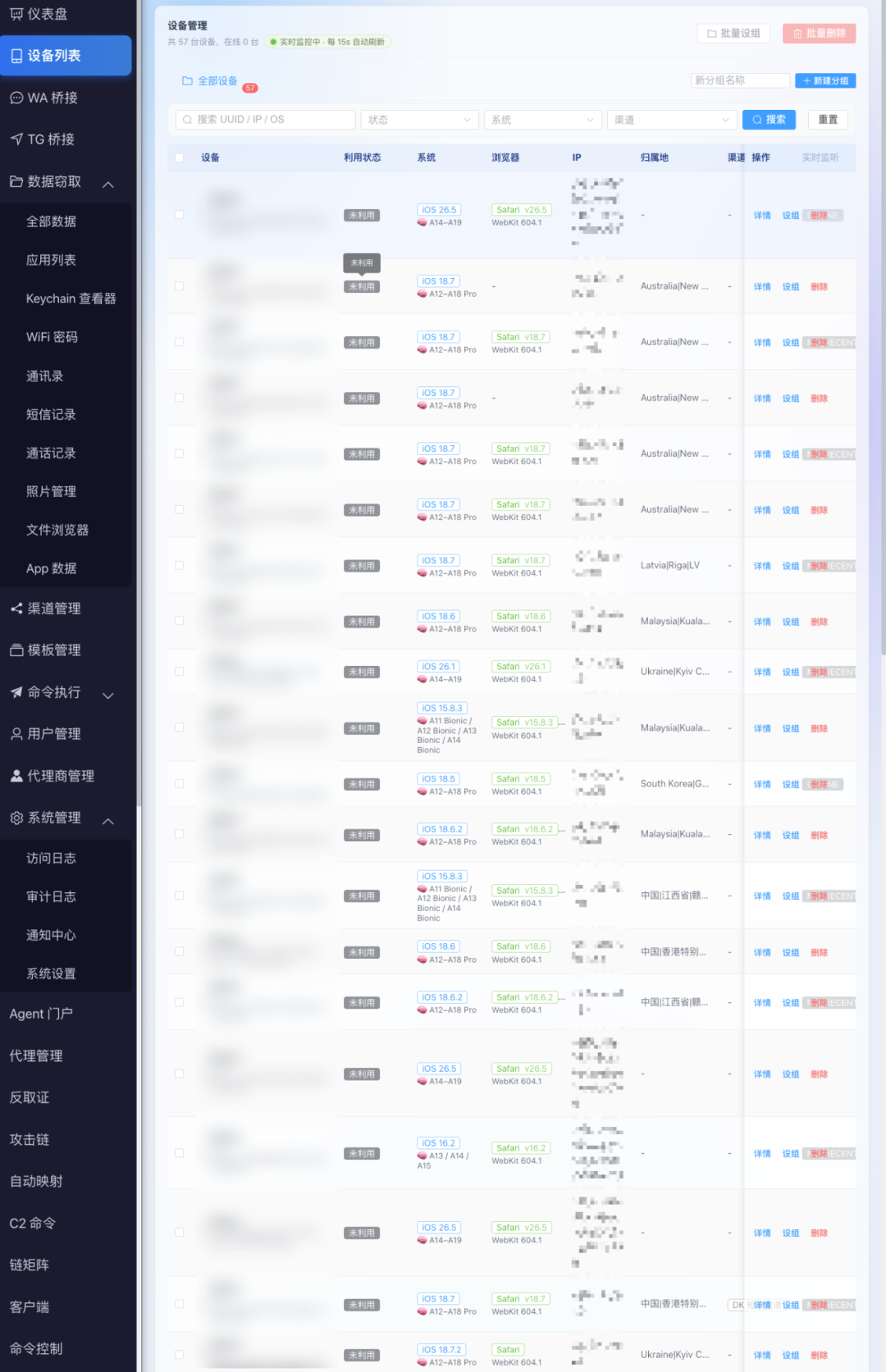
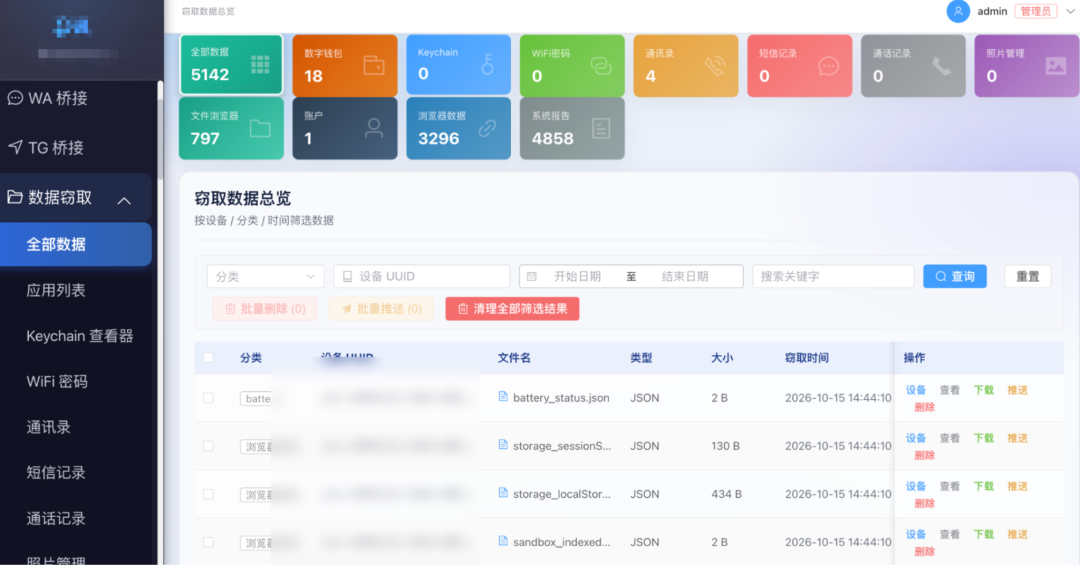
At the time of SlowMist’s examination on October 16, 2026, the panel displayed 57 devices, 10,125 stolen-data records and 143,802 iOS logs. Its separate, 30-day delivery funnel recorded 20,187 page visits, 1,187 exploit attempts, 10 exploit successes and nine data-exfiltration events. A dashboard figure of 6,115 visits used a different, seven-day window; the two visit totals should not be combined.
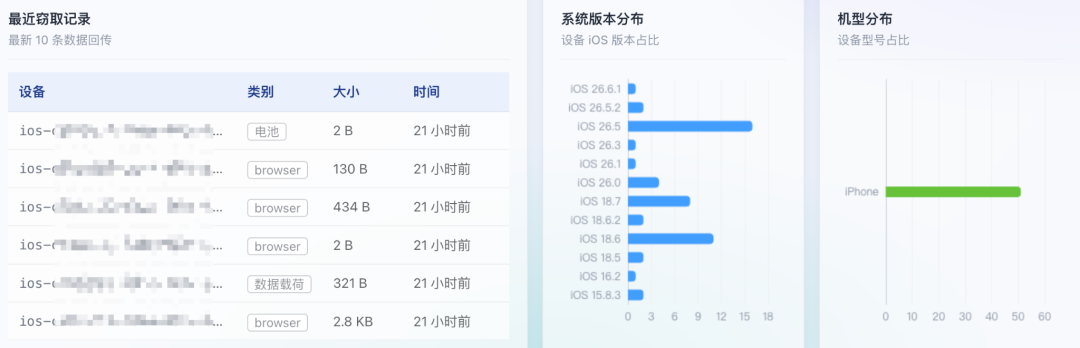
The delivery entry point accepted devices from iOS 13 onward, and the payload library held 1,045 entries with version labels extending to iOS 26.6.1. Neither figure demonstrates that every listed version could be compromised. Based on the operator’s routing code, SlowMist identified complete exploit paths for iOS 18.6–18.7.2 and 26.0–26.1. The code marked exploitation of 26.2 as unverified and left later 26-series entry stages empty. A device appearing in the panel may therefore have visited a landing page without being successfully exploited. SlowMist also described code-complete paths for some older versions, rather than treating the library’s entire advertised range as proven vulnerable.
A practical custody check
SlowMist advises keeping iOS updated and avoiding unfamiliar links, particularly short links received by message. If a wallet-holding device visited a suspicious landing page, its recommended response is to treat credentials as potentially exposed: create a new wallet and recovery phrase on a device that did not visit the page, move assets, and do not reuse the old phrase or private key. It also recommends checking for unusual transfers and approvals, revoking approvals no longer needed, and retaining Safari history, crash records and unusual transaction records. This is a precaution for suspected exposure, not a claim that every page visit resulted in theft.